From a Manual Cross-Sell Win to an Automated Lifecycle Growth Engine
I turned a new product cross-sell email campaign into an automated lifecycle customer-growth journey — using segmentation, pricing insights, automation and performance data.
Hundreds
of paid upgrades generated
1st
automated lifecycle cross-sell journey built
Challenge
A newer product at a healthcare technology company had clear cross-sell potential, but there was no established customer-growth motion yet — promotion was inconsistent, and every campaign required recurring manual work.
Patterns I Saw Behind Date
Customer behaviour pointed to several connected opportunities: build a consistent path from education to trial, fix a pricing barrier once it started blocking conversion, and automate the journey once the manual pilot motion proved demand.
My Role
I owned the program across campaign strategy, behavioural segmentation, journey design, HubSpot execution, performance analysis, leadership recommendations, and cross-functional data requirements.
What this case demonstrates
Pattern recognition and creative-analytical range
Lifecycle strategy
Behavioural segmentation
CRM automation
Leadership influence
Cross-team collaboration

Prove the customer-growth opportunity
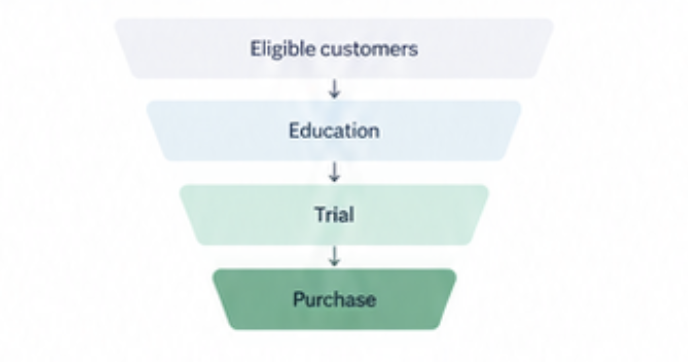
I introduced a consistent cross-sell cadence and segmented customers based on whether they had already trialled the product. Emails with education messagings helped customers understand the value; Emails with conversion-focused messagings helped trial users upgrade their subscriptions
Impact
Hundreds of paid upgrades
generated through the initial manual cross-sell motion
Diagnose the real conversion barrier
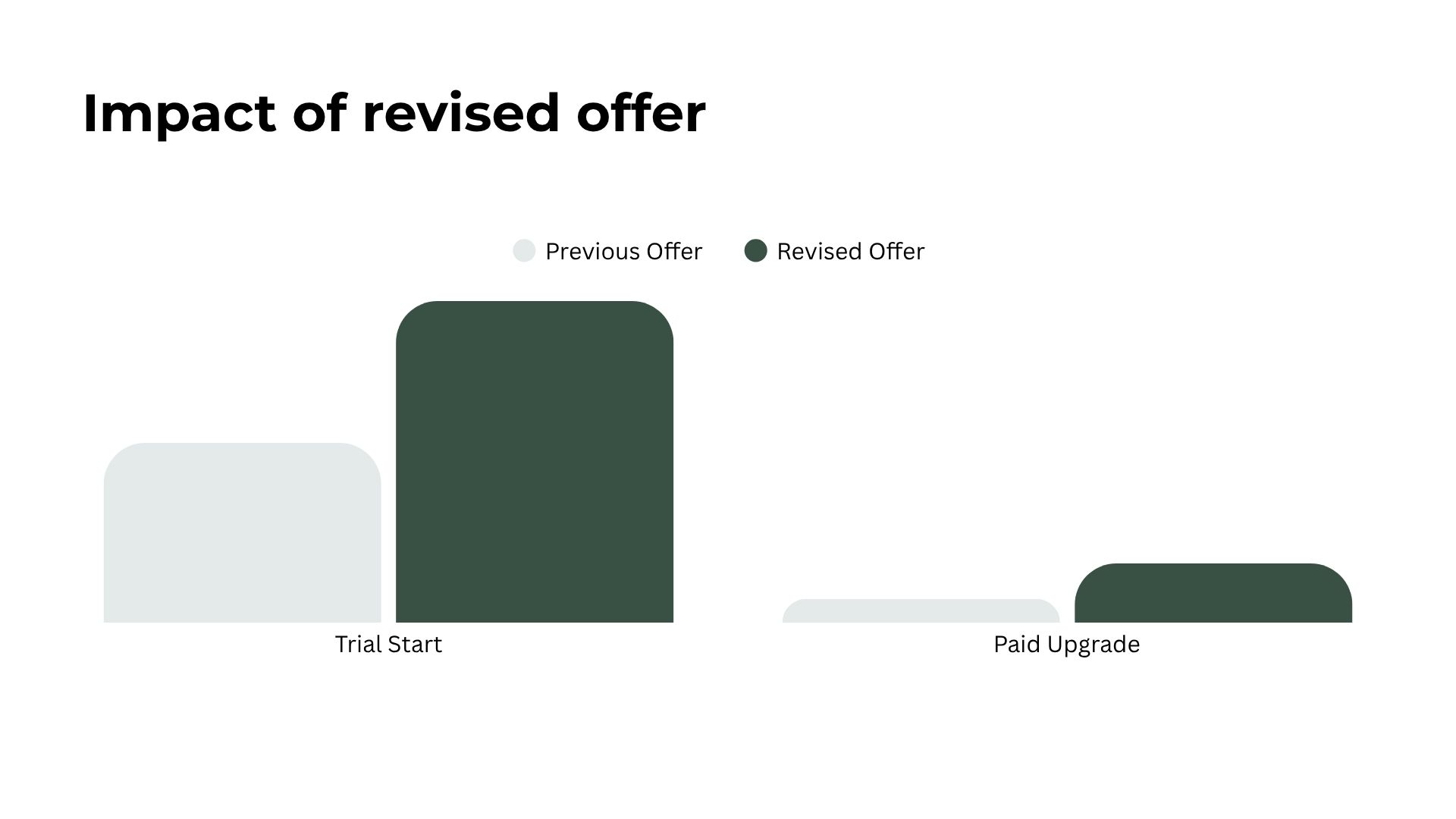
When adoption weakened but email engagement remained relatively stable, I looked beyond copy and cadence. The pattern pointed to pricing friction. I quantified the opportunity and brought the recommendation to senior leadership.
Impact
More than doubled monthly trial starts
after identifying pricing as the conversion barrier
Turn the winning manual email campaign into a system
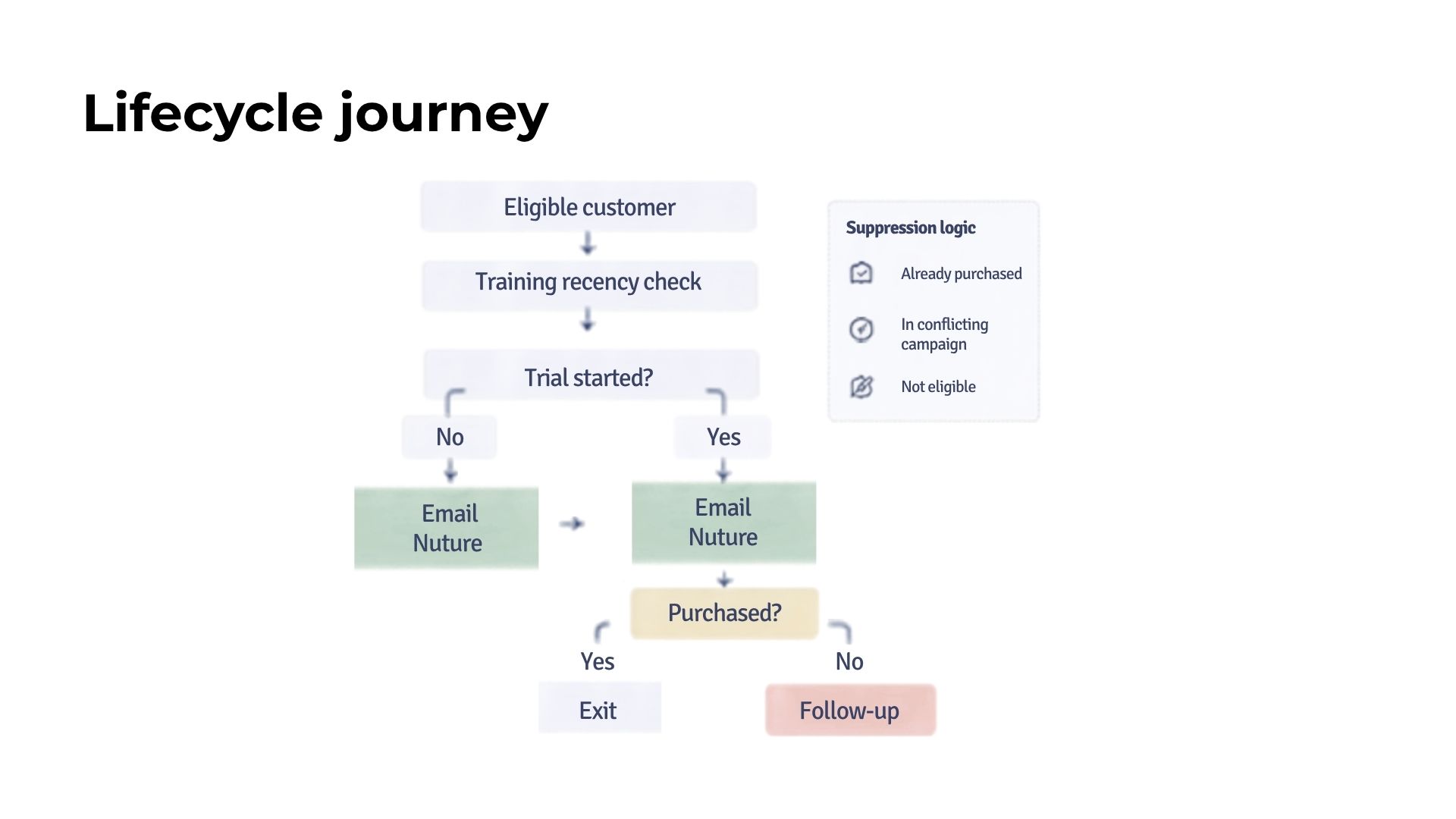
The manual campaign was producing results, but recurring segmentation, enrolment, and follow-up made it difficult to scale. I built the business case, presented the recommendation to leadership, and developed the company's first two-stage automated HubSpot lifecycle cross-sell journey.
The journey used training recency, trial behaviour, and subscription status to determine eligibility. Trial starts triggered the next stage, while purchases and overlapping campaign exposure suppressed unnecessary messages.
Impact
Consistent revenue generated and almost 20 hours saved monthly
through the company’s first automated lifecycle cross-sell journey
Re-engage a mature audience
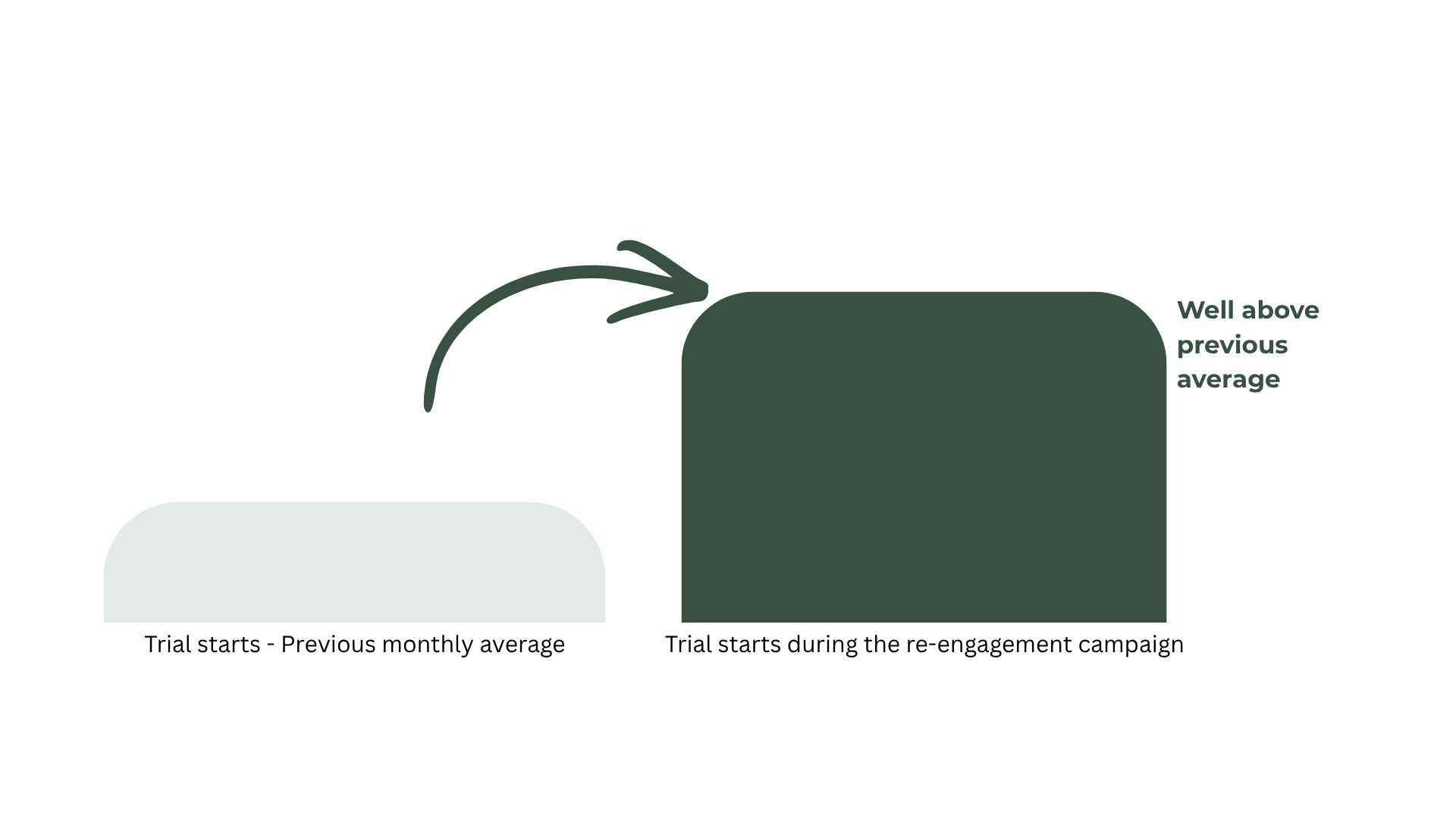
A mature customer audience had already completed substantial nurture without acting. Instead of adding more education, I segmented by behaviour and intent and introduced a clear, time-bound decision point.
Impact
3× monthly trial starts
versus the previous monthly average
Turn a content signal into a cross-functional program
Campaign performance data showed that expert and peer video content consistently outperformed other formats as a driver of pipeline activity.
Rather than treat that as a one-off result, I turned it into a testimonial content initiative — aligning Education and Customer Success teams around a shared brief, identifying the right voices, recording and editing the sessions, and distributing the content across email, web, social, and blog.
Impact
Top-performing format → content program
Turned a campaign signal into a cross-functional, multi-channel approach

Outcome
What began as an email campaign became a scalable customer-growth system: a repeatable path from education to trial to purchase, supported by behavioural data, offer strategy, automation, content, and ongoing optimization — with the range to extend into adjacent content and channels when the opportunity called for it.
⭐
The biggest shift was moving from "How did the email perform?" to "What is preventing the customer from taking the next step, and what does that pattern mean for the rest of the funnel?"
This case study reflects anonymized work performed in a healthcare technology context. Company name, product details, and internal systems have been intentionally omitted. Metrics are rounded and directionally representative. This case study is shared solely to demonstrate strategic thinking and execution approach.


